



Introduction
Advertising has transformed from mass messaging and generic advertisements. To succeed in hyper-aggressive competition, businesses need to embrace smarter advertising — a strategy that strives to combine human insight with data-driven precision. This is where virtual assistants and targeted display advertising come into the mix.
Whether you are managing solo campaigns or running a small agency, it is often overwhelming to do ads manually. Marketing and analytics-trained virtual assistants (VAs) can step in to optimize your ad spend, assess performance, and manage creative assets. Plus, targeted display ads — which reach the right person at the right time — allow you to be confident that your message is hitting home without burning valuable resources.
In this blog, I’ll show you how VAs and targeted display ads can work together in advertising systems, making advertising scalable for modern businesses.
What Are Targeted Display Ads?
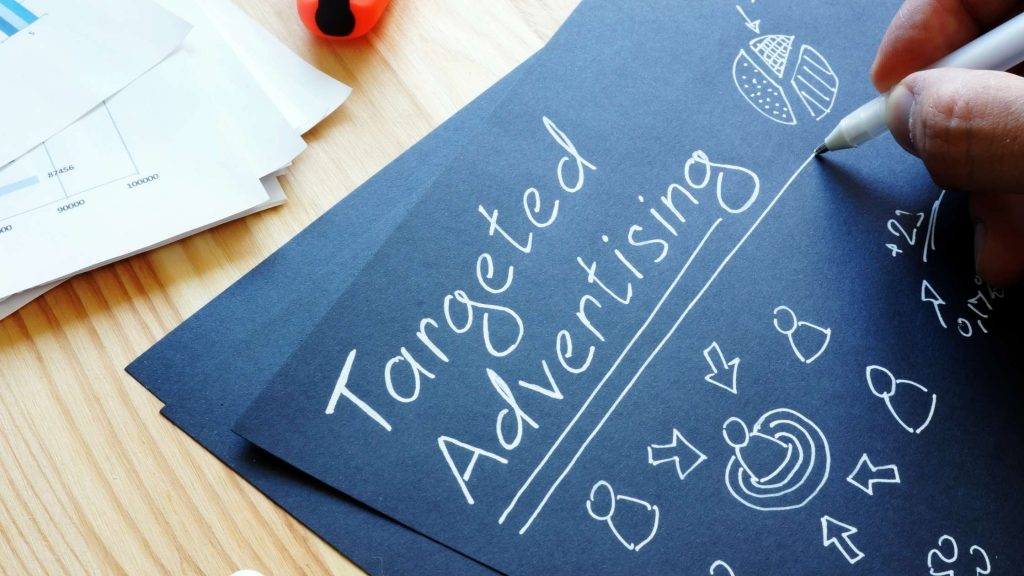
It refers to serving visual ads (banners, videos, sidebar graphics, and pop-ups) to users immediately to define particular attributes of users or behavioral patterns.

These attributes can include:
- Demographics (age, gender, income level).
- Browsing activity (sites visited, duration, clicks).
- Geolocation (city, region, or zip code).
- Type of device (mobile, tablet, or desktop).
- Previous engagements with your brand (website visits, shopping cart abandonment, content views).
Instead of pushing a generic ad out to the masses, targeted display campaigns serve specialized content to users with a greater chance of converting, whether that be clicking a link, signing up, or making a purchase.
The campaigns are launched on different types of networks likeGoogle Display Network, Facebook Audience Network, LinkedIn Ads, and various programmatic DSPs (Demand Side Platforms). These tools also provide advertisers with massive ad inventories and advanced audience segmentation capabilities.
Targeted display advertising is so effective because it is cost-efficient and personalized. Rather than wasting the budget making people aware, advertisers can target people who have already expressed interest or fit their ideal customer profile. It boosts click-through and conversion rates while reducing ad fatigue and waste.
In short, targeted display advertising allows you to display ads to the right people, in the right context, with the right message, increasing the impact of every dollar you spend and aligning with virtual assistant-supported campaigns.
Why Targeted Advertising Matters More Than Ever
With consumers bombarded by ads across websites, social feeds, mobile apps, and streaming platforms, it has become a challenge to grab users’ attention. Put simply, generic, untargeted advertising is not only wasteful of valuable budget, but it also usually irritates users and harms brand credibility. That’s why relevance and personalization have become table stakes in digital advertising.
Access to user data like search behavior, purchase intent, online engagement, etc, allows targeted advertising to deliver messages that feel timely, helpful, and tailored. It saves time by optimizing you to put your ad in front of people who you expect will care about it the most, and scales with engagement!

In collaboration with smart, creative, and precision timing, targeted ads have a unique power to:
- Increase conversions and click-through rates (CTR): by targeting users who are actively researching or comparing options.
- Enrich customer experience: by presenting ads relevant to actual needs and interests.
- Improved brand recall: through the technique of multiple exposure to the right audience.
- Lower ad fatigue and spend waste: by limiting impressions to low-confidence converters.
In a digital-first economy, where each click is at a premium and users’ attention spans are limited, targeted display advertising enables companies to invest wisely rather than big. This strategy becomes scalable, repeatable and significantly more effective with the support of virtual assistants to manage and optimize these campaigns.
Also Read: Virtual Assistant Services in Medina
Types of Targeted Advertising
The most generic form of targeted advertising is to target based on how audience data is collected and utilized. All of these types have different uses and can provide benefits that can be utilized if they suit the campaign objectives.

Here are the five most effective types of targeted advertisements, with a bit more detail for each:
1. Behavioral Targeting
Behavioral targeting relies on a user’s digital footprint — pages viewed, search terms entered, time spent on a website, and interaction with previous ads — to gauge interest and serve targeted advertising. This approach gives advertisers the ability to serve ultra-personalized experiences. For instance, if that user landed on a few pages dedicated to fitness equipment but purchased nothing, they could be targeted later with ads promoting gym gear or new workout plans. Behavioral targeting improves engagement because the ads reflect the user’s preferences and intent rather than broad demographic assumptions. It is particularly handy for eCommerce and retargeting campaigns.
2. Geo-Targeting(Geographical-targeting)
Geo-targeting serves up ads according to a user’s physical location — country, state, city, zip code, or even how close you are to a specific location. This works very well for local businesses or regional campaigns. For example, a coffee shop may want to reach people within five miles who are awake in the morning. Getting to your audience with useful ads will make it easy for you, and when you add it with mobile ads, it will show them a higher rate for the click-through ratio and conversions as well. It can also be helpful in customizing messaging to local languages, events, weather , or cultural nuances, giving campaigns a personalized edge that feels current and specific
3. Demographic Targeting
Demographic Targeting segments users based on Age, gender, marital status , occupation, and income. It works best when your product or service is targeted to a niche. An example could be a luxury watch that aims to reach high-income men aged 35–55 or a skincare product aimed at women in their 20s. When your messaging reflects your ideal demographic’s values and lifestyle, your campaigns truly resonate. This process minimizes waste in industries such as fashion, real estate, education, and finance.
4. Retargeting (Remarketing)
Retargeting, on the other hand, targets people who have interacted with your brand before but haven’t completed a task like signing up, downloading, or purchasing. It creates a tracking pixel on your site, and then you can “follow” those users around the web with relevant ads. These ads serve as subtle reminders, pulling users back into your funnel. This boosts conversion rates because it re-engages people who already have warm feelings for your brand. Combine this with time-sensitive offers or personalized content, and retargeting becomes an effective tool to reclaim lost customers and increase ROIs.
Why You Should Use Virtual Assistants to Empower Your Ad Strategy

1. Setting Up Campaigns and Researching the Audience
Setting up a successful display ad campaign starts long before the first impression. Well, here, a virtual assistant can come into play by identifying the audience through in-depth research via Google Analytics, Facebook Audience Insights, and keyword planners.
They establish buyer personas, identify competitive gaps, and segment audiences by intent and interest. VAs can also do things like prepare campaign briefings, configure ad accounts, and make sure tracking pixels are installed correctly. This ensures that your campaigns are laser-focused, optimized, and help you achieve your business goals, thus boosting the odds of higher engagement and conversions right from the word go.
2. Creative Asset Management
You must spend a good chunk of your time managing ad creatives across multiple platforms. Virtual helpers make sure that assets are named, versioned, and formatted to fulfill a variety of display requirements, including size, resolution, and platform guidelines.
They can also collaborate with design teams or freelancers to guarantee that deadlines are met and branding is consistent. Sometimes, VAs themselves will create simple graphics in Canva or Adobe Express. This centralized creative management enables you to get a campaign off the ground or make adjustments quickly without getting caught up in the weeds. Better asset organization results in speedier test runs, crisper execution, and a more polished brand image.
3. Budgeting and Scheduling of Ads
In any advertising campaign, timing and budget control are key. They allow you to define exact ad schedules so that your display ads run when a lot of visitors are pouring into another site or when conversion is guaranteed. Be it weekday mornings for B2B or evenings for eCommerce, they can calibrate campaigns to align with user behavior.
VAs also maintain daily, weekly, or lifetime budgets across platforms, track pacing, and notify on overspending or underperformance. They help validate that your ad spend is being optimized in both time and spend. It results in improved cost-per-click and greater impressions in relevant environments with a main manual effort during campaign delivery.
4. Reporting and Monitoring Performance
Knowing what works and what fails is vital to the success of any advertisement. By pulling reports, organizing KPIs, and presenting data in an easily digestible format (Google Sheets, Looker Studio, etc.), virtual assistants can track performance across platforms—be it Google Ads, Meta Ads Manager, LinkedIn, etc.
They monitor key metrics such as CTR, CPC, CPA, impressions, and conversions. This data helps you filter which ads to pause, scale, or modify. They can also create automated reporting dashboards so you’re never left wondering. It enables you to stay nimble and optimize returns on all active campaigns through continuous analysis.
5. A/B Testing and Optimization
Most ads, even well-made ones, can be better, and A/B testing shows what clicks. Virtual assistants can conduct structured tests on many campaign components, including headlines, images, CTAs, and ad copy. They monitor performance differences, log results, and assist in deploying successful iterations widely across campaigns. With their assistance, testing is data-driven and consistent, not a roll of the dice.
In the long run, this step results in an increased engagement rate, less ad fatigue, and better ROI. Be it fine-tuning a display carousel or identifying a high-performing call to action, a VA helps your ads evolve based on real user behavior and not assumptions.
6. Retargeting Campaign Support
Getting them back is where retargeting comes into play; most users aren’t going to convert the first time they come to your site. They can also set up retargeting campaigns on Facebook or Google (helping you upload email lists and build custom audiences, and setting up tracking pixels).
They also orchestrate ad sequencing to ensure messaging corresponds to each stage of the buyer’s journey: Awareness, Interest, and Decision. For instance, someone who looked at a product page but didn’t complete a purchase might later see a limited-time offer.
VAs help you with abandoned cart reduction, help you with lead nurture & help you convert from warm audiences that already have a feel of your brand by managing those retargeting funnels.
Smart Advertising Is a Team Sport—Tech + Human Support
Advertising platforms have evolved into powerful and automated intelligent agents, however, they still need a human touch to find the best strategy, monitor performance, and make adjustments as needed. Your ad tech might be the most advanced solution on the market, but its success depends on a repeatable process, timed iterations, and creative insight, where virtual assistants are most effective.

Your virtual assistant doesn’t just click a few buttons in your ad manager—they facilitate every aspect of the campaign. From coordinating timelines and managing creative assets to compiling reports and suggesting improvements, they bridge the operational chasms that ad tools alone cannot address.
This is where smarter advertising comes into play: a balance of automation and personal support. Automation addresses scale and speed; human involvement correlates with relevance, alignment, and adaptability. When you combine a reliable virtual assistant with targeted advertising platforms, you create a lean, agile system that evolves with your business and delivers sustained results week after week.
Also Read: Virtual Assistant Services in Riyadh
Most Used Platforms for Targeted Display Advertising
Having the right platforms that allow for segmentation of the audience, placements of the ads, and tracking of performance is key to running effective targeted display advertising campaigns.

Here’s a list of some of the most widely used platforms to deliver smarter, more personalized ads for businesses:
1. Google Display Network (GDN)
They appear on millions of websites, YouTube, and mobile apps. GDN enables you to target by demographics, interests, keywords, behaviors, and remarketing precisely. It’s user-friendly and common in use, making it a great fit for businesses small to large.
2. Meta Ads (i.e., Facebook & Instagram)
We then run hyper-targeted display campaigns on Facebook and Instagram. You can target users by interests, behaviors, and demographics, and custom or lookalike audiences. It’s great for visual storytelling and direct engagement.
3. LinkedIn Ads
Great for B2B advertising. You can target by job title, company size, seniority, industry, and much more on LinkedIn., It is perfect for software, consulting, and high-value services aimed at professionals.
4. Microsoft Advertising (formerly Bing Ads)
Microsoft Audience Network (Bing Ads) — a powerful display ad network across MSN, Outlook, Edge, and publisher partner sites. It allows targeting by demographics, remarketing lists, LinkedIn profiles, and device types. This one is frequently neglected but features much less competitors and reduced CPC compared to Google.
Conclusion
The world of advertising is smarter than ever—and so should your strategy be. By combining the power of virtual assistants with the precision of targeted display advertising, businesses can create campaigns that are efficient and deeply aligned with audience needs.
Whether you are a solo entrepreneur or a scaling startup, VA support can help your advertising team operate more efficiently, cut costs, and help you focus on growth. From audience research to campaign reporting, their contributions extend far beyond admin—they’re a vital component of a future-ready marketing engine.
Our virtual assistants have the proper training in the fields of marketing, analytics, and ad platform management at Tasks Expert. Let us help you scale your advertising smartly so you can focus on growing your business.
About Us
Tasks Expert offers top-tier virtual assistant services from highly skilled professionals based in India. Our VAs handle a wide range of tasks, from part time personal assistant to specialized services like remote it support services, professional bookkeeping service etc. Furthermore, it helps businesses worldwide streamline operations and boost productivity.
Ready to elevate your business? Book a Call and let Tasks Expert take care of the rest.

About Author

Gary Katz
Related Blogs