



Introduction
Those in Payments know there’s an all-encompassing term for the sand that falls through the cracks when discussing security and compliance; people often call it “risk expansion”.
Application modernization services are no longer simply a route to better performance, they are now a frontline defence against growing cybersecurity threats and increased regulatory requirements. Rising businesses struggle with managing sprawling consumer data and digital threats. Legacy systems are expensive, unmanageable for large datasets, and not secure since most do not have encryption, monitoring in real-time, and the flexibility of staying ahead of the ever-changing compliance needs.
Which is why modernizing your apps isn’t just about testing what your application can do, how fast it can go, or if it can go there in the cloud; it’s also about helping to better protect your business from both inside and out. Application modernization services assist in rebuilding apps with secure architecture, bring in automated compliance checks, and deploy advanced threat detection tools that legacy systems can no longer handle.
Whether you fall under regulations such as HIPAA, PCI-DSS, or GDPR, or simply prefer the overall protection from potential lawsuits, compliance can no longer be an “oh yeah” consideration; it needs to be designed into your systems from scratch. With the proper mix of app modernization consulting, security-first design, and a strong application modernization roadmap, the organization will be positioned to turn old liabilities into new assets for resiliency, trust, and operational agility. It’s the digital age; modernization is no longer an option; it’s a matter of business necessity.
Shoring Up Security Holes in Old Code
Legacy systems tend to be riddled with security flaws and present major risks, and that’s why app modernization services are critical for any company that takes a good look at their data and infrastructure security.
1. Outdated code invites vulnerabilities
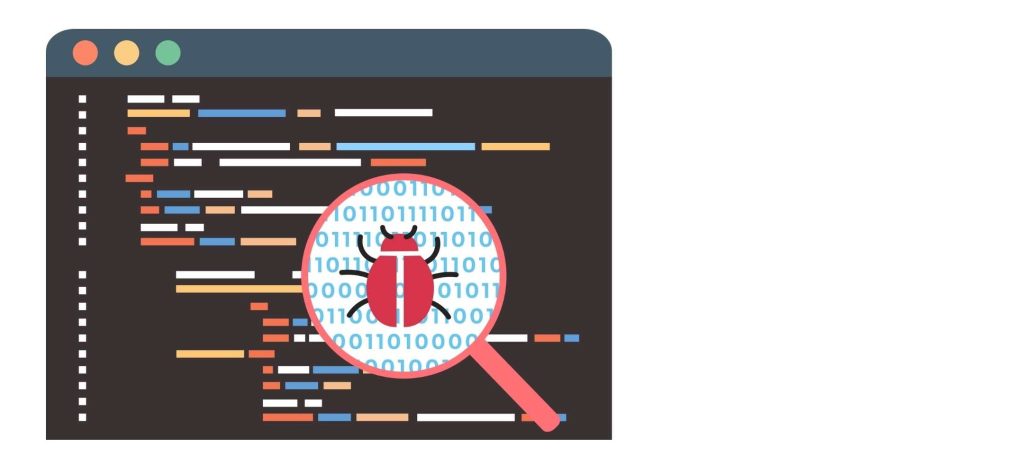
Legacy applications are built on an outdated codebase with limited documentation. That’s why they are not able to secure sensitive information. As a part of this modernization, you may decide to use newer frameworks with modern best practices and the latest security protocols.
2. No modern authentication and encryption
Many of these historical systems are missing basic functions such as multi-factor authentication, encrypted data storage and secure APIs. With application modernization offerings, these capabilities come out of the box for better defense everywhere from the edge of the network to the heart of the cloud.
3. Lack of real-time monitoring or identification of threats
Legacy systems intrinsically lack real-time logging and alerting, making breach detection slow and reactive. Today’s apps are architected with monitoring tools to detect such behavior and avoid escalation.
4. Difficult to meet current safety requirements
Older systems will continue getting even more out of compliance as regulations change. Modernization adheres to existing laws like GDPR, HIPAA, etc, as compliance is built into the core of the architecture.
5. Basic user role management and access controls
Apps secured with older frameworks can’t handle complex user permissions. Newer technology helps companies implement role-based access control to make sure only the right people have access at all times.
6. Cloud-native infrastructure offers inherent security
Rehosting applications on hardened clouds delivers built-in encryption, identity access management, and automatic backups. Such protections are hard to implement in legacy on-premises networks.
7. Easier use of modern frameworks
When you move to a well-documented, actively maintained framework, you enable your teams to develop a comprehensive understanding of how the system works and take faster, smarter decisions about security.
With professional app modernization consulting services, these weaknesses become strengths. By making security a key aspect of your application modernization, your company now has a more secure, scalable, and future-proofed software foundation, one that can protect against today’s cyber threats and meet tomorrow’s compliance requirements.
Also Read: Master of Marketing Management for Agencies
Embedding Compliance in the Application Modernization Plan
Today’s regulations are tough, and it is hard to square them with legacy systems. Application modernization services are one way that businesses can proactively integrate compliance into their systems instead of tacking it on later.

1. Industry-specific rules require compliance to be baked in
All business sectors have dissimilar compliance rules across the world. App modernization consulting assists companies in optimizing their systems to fit these key regulations upfront.
2. Security audits and compliance gap analysis
Modernization begins with pinpointing the weaknesses of your legacy systems. Experts run audits to find out compliance risks, then take the traction from those findings to shape the APP modernization roadmap.
3. Built-in compliance
You’re likely to find a lot of other security certifications pre-bundled by many cloud providers, such as ISO, SOC 2, and others like GDPR-readiness. Replatforming apps from these environments means that your businesses have a head start on compliance, with fewer configurations to set up.
4. Reorganization of Code improves data governance
Legacy apps are not optimized for data storage and processing. Upgrading the technology stack enhances the data operations, logs, encryption, and authentication – all are important for regulatory compliance.
5. Role-based access and auditing trails
Not the most supportable encoding. For compliance reasons, we need to know exactly who got access to what information. Most modern systems will also have granular user permissions and will trace actions, which are crucial for audits and reporting.
6. Centralized policy enforcement
Digital transformation allows corporations to combine compliance rules and apply them consistently across systems, minimizing human errors and adding a layer of accountability.
7. Automatic compliance updates and checks
Automated features out of the box make it easier for you to stay in compliance as rules change. These functionalities are nearly impossible to realise in legacy systems, but are standard in today’s application worlds.
With a well-structured application modernization roadmap, organizations can transition from reactive compliance to proactive management. Rather than struggling at the last minute to get everything they need for an audit, businesses can run on systems that are, by nature, in compliance with the laws and standards that regulate them, and do so with the assurance that they are doing so regularly.
Secure Deployment Pipelines with DevSecOps
The point of modernizing your application is not just to improve the software, but also to change the way it is delivered. The modern application services covering DevSecOps are the new normal upon which security is built into each stage, right from design, development, testing, to deployment.

1. Security is built in, not tacked on
DevSecOps makes safety an integral part of the development process. Using modernization best practices, teams create secure coding standards checks into the software design from the beginning.
2. Continuous security scanning as part of the Dev process
Automated tools are in the background for monitoring in real time for vulnerabilities. This enables developers to fix problems before code is promoted to production, dramatically reducing security exposure.
3. Policy-based access authorizes only the necessary permissions
Access by the user in DevSecOps pipelines is greatly restricted. Developers, testers, and DevOps engineers are given access to only the environments and tools necessary. It minimizes exposure and increases accountability.
4. Automation Testing Involves Compliance Validation
Today’s pipelines contain tests that confirm regulatory compliance, for GDPR and for compliance with HIPAA, baked into every build. Thus, your applications are audit-ready with each release.
5. Infrastructure-as-code enforces consistency and control
DevSecOps promotes using code to manage infrastructure, helping reduce human errors during deployment. It ensures that every environment is set up securely and in a consistent way
6. Rapid, safe, repeatable releases
Turn your deployment into something safe and fully automated as well, with embedded security and automated pipelines that allow us to deploy faster and safer than ever before. You don’t have to stop for manual checks or take a chance on unstable builds.
7. Monitoring and feedback loops
On the post-deployment side, the monitoring gives data back into the DevSecOps process; it can be reinforced by new patterns identified live, and responses to new threats can be made more quickly.
And with this approach in tow, application modernization services don’t just make your app; they build your operational backbone. Teams build trust with each release, and businesses mitigate risk while increasing speed to market. DevSecOps isn’t a fad; it is a requirement in any application modernization roadmap that will be successful.
Also Read: Outsourcing Bookkeeping Services
Real-Time Monitoring and Threat Detection
One of the main advantages of application modernization services, after all, is to enable the real-time monitoring of applications, the immediate discovery and response to threats, activities that legacy systems generally can’t do well.

1. SIEM tool integration for complete visibility
Migrated apps can connect to Security Information and Event Management systems. These utilities gather telemetry from throughout your infrastructure, aiding you in threat detection and analysis at the system and application levels.
2. Instant logging to get quick incident response
Analog control legacy systems depend on manual log reviews and thus delay response. Today, through automation and centralization, real-time logging can still be achieved, and teams can almost instantly track down suspicious activity and fend off a breach.
3. Push notifications to security teams
One of the chief benefits of application modernization tools is the capability to automatically alert when specific threats are identified. This way, your security team is immediately aware the second something anomalous occurs, shortening the time-to-cycling.
4. AI-driven threat detection
A lot of today’s software tools are already employing AI to pick up on any irregularities and even anticipate possible security disruptions by interpreting user habits and traffic behaviors. This is a layer of active protection that legacy systems are just unable to offer.
5. Enhanced audit trails and event monitoring
Contemporary systems maintain extensive logs of every action and access point, making it easier for responders to hunt down those who’ve gotten inside.
6. Dashboard-based monitoring and control centralization
App modernization means all your monitoring gets collected in one spot. Dashboards provide real-time metrics, threat levels, and system health, which enable technical teams to have a more complete picture of things.
7. Minimized time and data loss
Faster detection means faster response. “Apps modernized with built-in monitoring help us reduce risk and prevent escalation and maintain continuity even if an attempt to breach occurs.”
Application modernization services provide threat detection built into the database, shifting the focus from reactive defense to proactive protection. In the world of video and when it comes to security, real-time visibility isn’t just a nice-to-have, it’s a trust and uptime, and long-term essential.
Conclusion: Security and Compliance Begin with Modernization
At a time when threats are more sophisticated and regulations are more stringent than ever, the status quo is no longer an option for aging systems. Application modernization services: a strategic approach that improves efficiency and integrates security and compliance into the foundation of your software.
Whether you’re closing legacy security holes or you’re providing real-time detections, modernization is how you arm your applications with what they need to live and exist in a digital landscape. By leveraging an app modernization consulting service, organizations can build secure deployment pipelines, comply with industry standards, and have deep insight into the behavior of the system down at the request level.
With each step in the application modernization journey – from refactoring and rehosting to rebuilding – organizations have the opportunity to adopt application modernization best practices that elevate security, broaden compliance, and build in resiliency.
Do you need help modernizing your app but want to remain secure and compliant? We at Tasks Expert professionals are here to help and lead you all the way. Feel free to contact us – Start Now!
About Us
Tasks Expert offers top-tier virtual assistant services from highly skilled professionals based in India. Our VAs handle a wide range of tasks, from part time personal assistant to specialized services like remote it support services, professional bookkeeping service etc. Furthermore, it helps businesses worldwide streamline operations and boost productivity.
Ready to elevate your business? Book a Call and let Tasks Expert take care of the rest.

About Author

Gary Katz
Related Blogs