




Introduction
Frequency and flashy design do not make an excellent email marketing strategy. It is constructed on the basis of relevance, time and purpose. Companies that mail emails without a proper strategy tend to have low open rates, low engagement, and rise in unsubscribes. It is not often the email itself. There is a lack of strategy in it.
Email is one of the limited digital mediums that provides companies access to their customers without the use of algorithms. But with responsibility comes that access. Subscribers would expect emails that do not waste their time, are personalized to their needs, and give significance at the appropriate time.
A powerful email marketing plan identifies with whom you converse with, what you converse with, and why every communication is there. It converts email into random broadcasts into a systematic approach that allows lead nurturing, customer retention and revenue growth.
This blog divides the five most important elements of an effective email marketing campaign and how companies could develop email systems that work effectively and not intermittently.
Email Marketing Strategy: Audience Segmentation as a Boost
Any winning email marketing strategy is based on audience segmentation. In the absence of segmentation, emails are generic and unconnected. Contextual and purposive communication is achieved with segmentation.
Segmentation enables an enterprise to break down his email list into small segments, according to his behavior, lifecycle, the level of engagement or interest. This will guarantee the subscribers get messages according to their expectation rather than irrelevant messages.
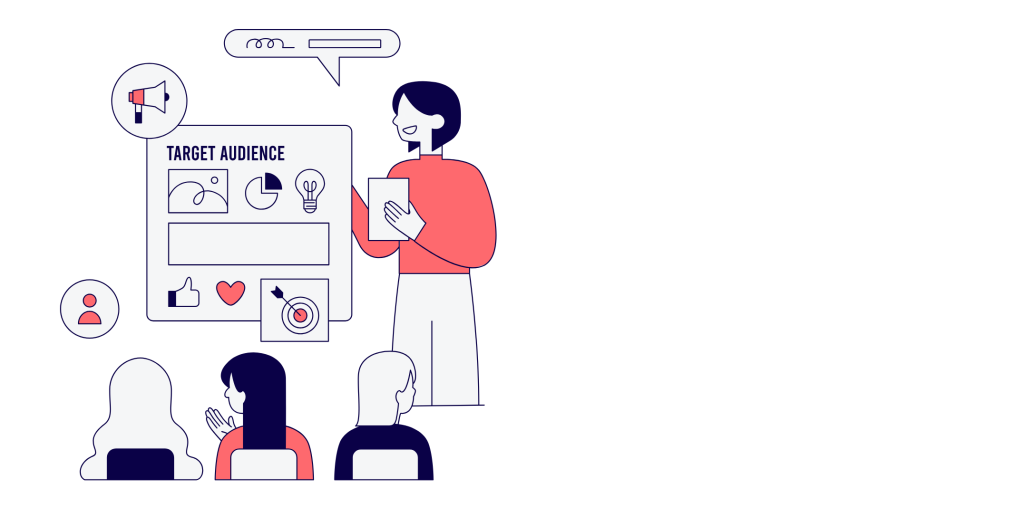
The major segmentation strategies are:
Behavior-Based Segmentation:
The registrants of groups were grouped depending on the actions like opening emails, clicking links, downloading resources, or making purchases. Such actions are purposeful, and thus, by acting in this manner, businesses can react promptly and appropriately to follow ups rather than guessing.
Lifecycle Segmentation:
Sorts subscribers at stages, i.e., new leads, active prospects, customers, and inactive users. The messaging changes as the relationship advances and eliminates early pressure to buy or neglect of the post purchase.
Interest-Based Segmentation:
Divides subscribers based on their interest in topics, preference of services or focus of industry. This guarantees the relevance of the content and enhances the engagement since the subscribers receive the information that they desire.
Engagement-Level Segmentation:
Distinguishes between the high-performing subscribers and the subscribers whose activity is low. This upholds deliverability and avoids email fatigue and maintains long term list health.
Segmentation is not a fixed up one time. It must be constantly improved as the behavior of subscribers evolves. Whether in terms of quality or quantity, businesses that uphold the discipline of segmentation always prevail over the mass broadcast-driven businesses.
Also Read: Executive Support Outsourcing
Aligning Email Messaging With the Customer Journey
Email marketing is best when the messages are similar to the way individuals make decisions. The customers are not then subjected to awareness and immediately to purchase. They pass through phases and email strategy should be able to show that fact.
A coordinated email marketing plan will make sure that messages do not interfere with the customer path but contribute to it.

Email phases that are aligned with the lifecycle are:
Awareness Emails:
Pay attention to learning and enlightenment. Such emails assist subscribers to be familiar with issues, trends, or opportunities without selling products or services. It is aimed at credibility and trust.
Consideration Emails:
Explain more, give examples, comparisons and clarifications. Subscribers are weighing out their alternatives and these emails direct them without coercion.
Decision Emails:
And with definite invitations to action, suggestions, demonstrations, or consultations. Timing matters. E-mails received before the right time are intrusive. Timely messages are lost in time.
Retention Emails:
Provide value post conversion with onboarding instructions, tips, updates, and support. The retention email lowers the churn as customers are not bored.
Re-engagement Emails:
Discuss the issue of inactivity with respect and without being needy by adding value, updates, or reminding.
Email messaging when done on purpose make the subscribers feel represented instead of being sold. Such agreement enhances involvement, purchase, and trust in the long run.
Planning Strategic Email Content to Benefit Business
Email messages that lack strategy provoke inconsistency. An effective email campaign plan should make sure that each email is dealing with a purpose which is linked to a business goal.
Good content planning is about clarity and not creativity. Every email must convey one central message and stimulate one action.

Strategy-supporting principles of content planning:
Single-Goal Messaging:
Every email addresses a single question. What is next to be done by the reader? Multi-CTA emails confuse attention and decrease effectiveness.
Value-First Communication:
Trust is created through educational illumination, practical advice, and other timely information. Constant value provision supports promotional emails better.
Consistent Brand Voice:
Email is personal. The abrupt change of the tone disorient the subscribers and undermines credibility. The reliable voice strengthens the recognition and trust.
Scannable, Readable Structure:
The presence of short paragraphs, space, and arranged structure enhance the readability particularly on mobile devices.
Another purpose of strategic content planning is to make sure that email does not compete with other content like blogs, landing pages and campaigns. Planned businesses do not have to go reactive with their messaging, or have last minute promotions.
Also Read: Search Engine Marketing Vancouver
Timing, Frequency, and Consistency of Email Implementation
Even good emails do not work when they come at the inappropriate time or frequency. The frequency and timing are the essential factors of email marketing strategy.
Customers lose interest when the emails are obtrusive or unpredictable. Strategy creates balance.

Factors of execution that create engagement:
Optimal Send Timing:
Engagement statistics are used to show the most active time of the subscribers. It cannot be done on assumptions but on behavior.
Balanced Frequency:
Excess emails are exhaustive. Too few reduce brand recall. The frequency must vary according to the lifecycle stage and level of engagement.
Trigger-Based Automation:
Automated emails in response to activities like signing up or downloading are better than manual broadcasts since at that time relevance is the highest.
Predictable Cadence:
Familiarity is created by consistency. The subscribers will rely on the emails that are sent at the anticipated times and not at random intervals.
Firm execution strategy enhances the deliverability, interaction and the longevity of the list without adding to the email volume.
Email Marketing Strategy Evaluation and Optimization over Time
Email marketing strategy is never fixed. It is developed by measuring and improving.
Monitoring performance makes sure that decisions are not made based on opinion.

The major optimization practices are:
Open Rate Trend Analysis:
Discloses the subject line performance and relevance of the timing. Trends over the long term are more important than spikes.
Click and Conversion Tracking:
Assesses content and business relevance and not superficial engagement.
A/B Testing:
CTAs, test subjects, angles of message, or layouts to find out what appeals the most to subscribers.
List Hygiene Management:
Unsubscribe those who are not engaged to enhance deliverability as well as have metrics that show actual engagement.
Optimization is continuous. Minor gains accumulate with time, making email a growth channel to be expected rather than an experiment.
Conclusion
An effective email campaign plan will make email a dynamic system of communication and conversion and retention. The businesses develop email programs that reward them by concentrating on segmentation, journey alignment, content planning, disciplined execution, and continuous optimization.
Email is effective when it is subscriber-oriented and purposeful in value. Strategy substitutes chance with purposefulness and volume with applicability.
Tasks Expert offers businesses scalable email systems that are created through a combination of strategic planning and operational support that allows execution to remain consistent and data to be clean.
The success of email does not come with the increased number of messages sent. It is an outcome of getting the right message at the right time.
Frequently Asked Questions
An organized framework outlining the way the businesses use email in reaching out t audiences and achieving outcomes.
It guarantees relevance, consistency and measurable performance.
Frequency is based on engagement, lifecycle and not set schedules.
Yes. When used in a strategic way, email is one of the best digital channels of the highest ROI.
Yes. Small teams can scale communication efficiently by the use of strategy.
About Us
Tasks Expert offers top-tier virtual assistant services from highly skilled professionals based in India. Our VAs handle a wide range of tasks, from part time personal assistant to specialized services like remote it support services, professional bookkeeping service etc. Furthermore, it helps businesses worldwide streamline operations and boost productivity.
Ready to elevate your business? Book a Call and let Tasks Expert take care of the rest.

About Author